What If Children Could Give Their Parents a Report Card Every Year?
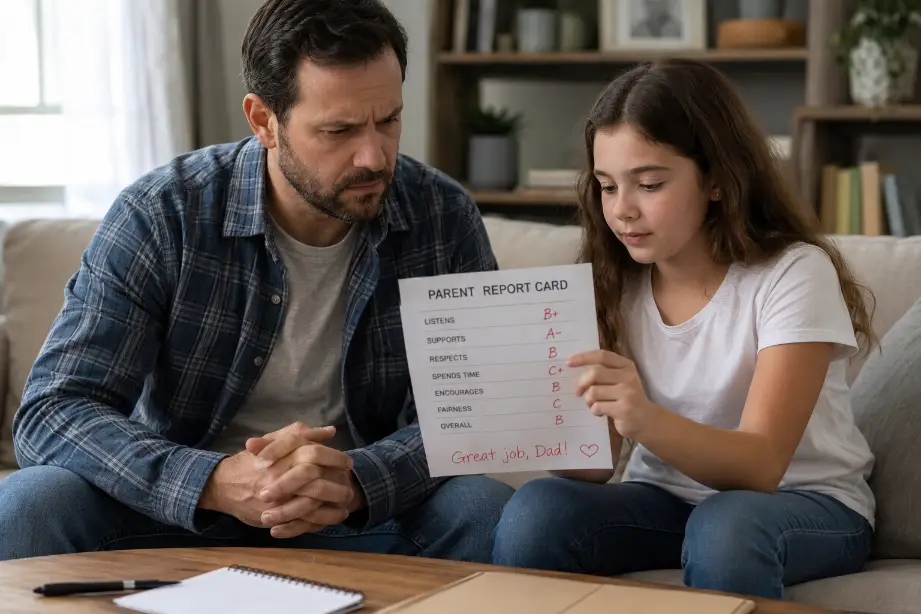
Parents spend years checking report cards, attending parent-teacher meetings, and helping their children improve. They often evaluate academic performance, behavior, attendance, and progress. But what if the process worked both ways? Imagine a system where children could give their parents a report card once every year.
Such an idea may sound unusual at first, yet it raises interesting questions about family relationships, communication, and personal growth. Children observe their parents every day. They notice how their parents listen, support, guide, and spend time with them. A yearly report card from children could encourage parents to reflect on their actions and strengthen family bonds. While it should never become a tool for criticism or blame, it could create a healthy space for honest conversations and mutual understanding.
What If Children Could Give Their Parents a Report Card Every Year?
If children could give their parents a report card every year, families might gain a valuable way to improve communication and build stronger relationships. The purpose would not be to judge parents harshly. Instead, it would help families understand each other better.
A parent report card could focus on areas that matter most to children, such as:
- Listening skills
- Time spent together
- Emotional support
- Fairness in decision-making
- Encouragement and motivation
- Respect for opinions
- Availability during important moments
Parents could review the feedback, discuss it openly, and identify areas where they can improve.
What Categories Could Be Included?
Children could evaluate parents using simple categories.
Communication
Does the parent listen carefully?
Does the parent allow the child to express opinions?
Does the parent stay calm during discussions?
Support
Does the parent encourage goals and dreams?
Does the parent provide help during difficult times?
Does the parent celebrate achievements?
Quality Time
Does the parent spend meaningful time with the child?
Does the parent participate in family activities?
Does the parent show interest in the child’s hobbies?
Respect
Does the parent respect personal boundaries?
Does the parent value feelings and emotions?
Does the parent avoid unfair comparisons?
How Could the Grading System Work?
A simple rating system could make the process easy.
- Excellent
- Good
- Average
- Needs Improvement
Children could also write short comments explaining their ratings. These comments would provide useful context and help parents understand specific concerns.
Why Honest Feedback Matters
Children often hesitate to share their true feelings. They may worry about disappointing their parents or causing conflict. A structured report card could create a safe opportunity for honest communication.
When parents receive feedback respectfully, they gain insights into how their actions affect their children. Small changes based on that feedback can make a significant difference in family life.
Benefits of Parent Report Cards
A yearly report card for parents could offer several positive outcomes.
Stronger Family Relationships
Open communication builds trust. When children feel heard, they often become more comfortable sharing thoughts and concerns.
Better Understanding Between Parents and Children
Parents and children sometimes view situations differently. Feedback helps bridge those differences and reduces misunderstandings.
Encourages Self-Reflection
Parents constantly teach children to learn from mistakes. A report card gives parents a chance to practice the same habit.
Builds Children’s Confidence
When adults take children’s opinions seriously, children feel valued. Their confidence grows because they know their voice matters.
Creates a Culture of Growth
Every family member can work on personal improvement. The focus shifts from criticism to development.
Challenges That Could Come With Parent Report Cards
While the idea has advantages, it also presents some challenges.
Children May Judge Based on Recent Events
A child who recently received punishment may give lower ratings because of temporary frustration.
Parents would need to consider feedback carefully and look for long-term patterns rather than isolated reactions.
Age Differences Affect Understanding
Young children may struggle to evaluate parenting fairly. Older children and teenagers may provide more balanced feedback.
Risk of Hurt Feelings
Some feedback may feel uncomfortable for parents. Honest comments can sometimes trigger emotional reactions.
Families would need clear rules that encourage respect and kindness during discussions.
Different Parenting Styles
Every parent uses a unique approach. What one child likes may not work for another. Report cards should focus on relationship quality rather than specific parenting methods.
What Questions Could Children Answer?
A useful report card could include simple questions such as:
- Do you feel listened to at home?
- Does your parent spend enough time with you?
- Do you feel supported when facing challenges?
- Does your parent respect your opinions?
- Do you feel comfortable talking about problems?
- Does your parent encourage your interests?
- Do family discussions feel fair?
These questions can help children provide thoughtful responses instead of random ratings.
Could Parent Report Cards Improve Modern Parenting?
Many experts encourage regular family communication. Parent report cards could support that goal by creating a structured feedback process.
Modern life often leaves families busy with work, school, and other responsibilities. Parents sometimes assume everything is going well because major problems are absent. Yet children may still have concerns that remain unspoken.
A yearly report card can highlight these concerns before they grow into larger issues. It can also remind parents about strengths they should continue practicing.
Areas Parents Might Improve
Based on feedback, parents could focus on:
- Spending more quality time together
- Reducing distractions during conversations
- Showing greater patience
- Encouraging independence
- Recognizing achievements more often
- Improving emotional support
Small adjustments can produce meaningful improvements over time.
Should Parents Also Evaluate Themselves?
A self-evaluation section could make the process even more effective.
Parents could answer questions such as:
- Did I spend enough time with my child this year?
- Did I listen carefully during important conversations?
- Did I provide emotional support when needed?
- Did I set a positive example?
Comparing self-ratings with children’s feedback may reveal interesting differences and spark productive discussions.
Making Parent Report Cards Positive and Constructive
The success of a parent report card depends on the way families use it.
A few guidelines can help:
- Focus on improvement rather than blame.
- Encourage honesty without disrespect.
- Discuss feedback calmly.
- Celebrate strengths before discussing weaknesses.
- Set goals for the coming year.
- Review progress together.
Families should treat the report card as a conversation tool rather than a judgment tool.
How This Idea Could Change Family Dynamics
If families adopted parent report cards, children might feel more involved in family discussions. Parents might become more aware of their daily actions and their impact on their children.
The process could create stronger trust because both sides would have opportunities to share feedback. Children would learn the value of constructive criticism, while parents would gain a clearer picture of their child’s experience at home.
Over time, families could develop deeper understanding, greater respect, and healthier communication patterns.
Conclusion
The idea of children giving their parents a report card every year offers an interesting way to encourage communication and personal growth within families. While no report card can fully measure parenting, thoughtful feedback can help parents understand how their children feel and what they need. The goal should never be criticism or competition. Instead, it should create opportunities for honest conversations, stronger relationships, and shared improvement. When children feel heard and parents remain open to feedback, families can build trust and create a more supportive home environment for everyone involved.
F.A.Q
Would a parent report card replace family conversations?
No, it should support regular conversations rather than replace them.
At what age could children participate?
Children around eight years old and older could provide more meaningful feedback.
Should report cards remain private?
Yes, they should stay within the family to encourage honesty.
Can parents disagree with the feedback?
Yes, but discussions should remain respectful and open-minded.
How often should families use parent report cards?
Once a year works well because it allows enough time for reflection.
Could report cards improve family relationships?
Yes, they can strengthen communication and understanding when used properly.
Should parents also give feedback to children?
Yes, two-way feedback creates balance and encourages growth for everyone.