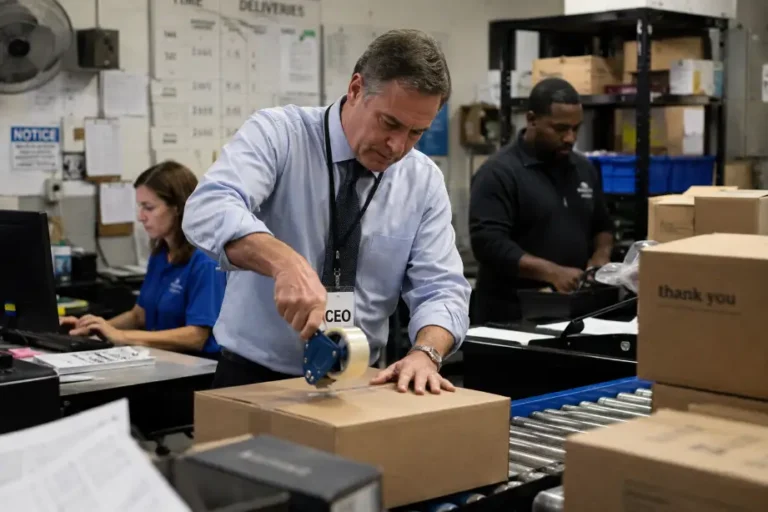
What If Bosses and Employees Changed Positions for One Month Every Year?

Workplaces often follow a fixed structure where bosses make decisions and employees carry out tasks. This arrangement helps companies stay organized, but it can also create gaps in understanding. Many employees feel that managers do not fully understand daily challenges, while managers often believe employees do not see the pressure that comes with leadership. A yearly role swap between bosses and employees for one month could create a fresh perspective for everyone involved.
This idea may sound unusual at first, yet it offers many lessons. Employees could experience the responsibilities of leadership, while managers could gain direct exposure to everyday operational tasks. Such an arrangement could improve communication, build stronger relationships, and create a more cooperative work culture. The experience might reveal hidden problems, encourage better decision-making, and help both sides appreciate each other’s contributions.
What If Bosses and Employees Changed Positions for One Month Every Year?
A one-month role exchange could provide practical solutions to many workplace issues. When people step into another person’s position, they gain first-hand knowledge instead of relying on assumptions.
Better Understanding Between Teams
Many workplace conflicts start because people do not fully understand each other’s responsibilities. During a role swap:
- Employees learn about planning, budgeting, and leadership challenges.
- Bosses experience workload pressures and daily operational tasks.
- Both groups gain respect for each other’s efforts.
This shared experience reduces misunderstandings and creates stronger teamwork.
Improved Decision-Making
Managers often make decisions based on reports and meetings. A month spent performing employee duties can reveal issues that reports fail to show.
For example:
- Managers may notice inefficient processes.
- They may discover unnecessary tasks.
- They may identify tools that need improvement.
- They may understand customer concerns more clearly.
As a result, future decisions become more practical and realistic.
Increased Employee Motivation
Employees often want their voices heard. When workers know they may lead a team for a month, they become more engaged.
Benefits include:
- Greater sense of responsibility
- Stronger commitment to company goals
- Higher confidence levels
- Better leadership development
Workers who feel valued often contribute more ideas and effort.
Stronger Leadership Skills
Leadership requires communication, problem-solving, and accountability. A temporary promotion allows employees to practice these skills in real situations.
They learn how to:
- Manage deadlines
- Resolve conflicts
- Delegate tasks
- Handle pressure
This experience prepares future leaders from within the company.
Greater Appreciation for Every Role
People often underestimate jobs they have never performed. After a role exchange, both managers and employees gain a deeper appreciation for each position.
This appreciation can create:
- More respect
- Less workplace tension
- Better cooperation
- Healthier work relationships
Potential Benefits for Businesses
Companies could gain several advantages from this yearly practice.
Better Workplace Communication
Communication problems often damage productivity. A role exchange helps people understand how information flows throughout the organization.
Managers can learn:
- Which instructions create confusion
- Which communication methods work best
- Where delays occur
Employees can learn:
- Why certain decisions take time
- How different departments depend on each other
- Why some policies exist
This understanding improves communication across the company.
Discovery of Hidden Problems
Fresh eyes often notice issues that long-term workers overlook.
During a role swap, participants may identify:
- Outdated procedures
- Unnecessary paperwork
- Technology limitations
- Workflow bottlenecks
Companies can use this feedback to improve operations.
Stronger Company Culture
A workplace built on mutual respect tends to perform better. When everyone experiences different responsibilities, barriers between management and staff begin to disappear.
A stronger culture often leads to:
- Better teamwork
- Higher job satisfaction
- Lower employee turnover
- Greater trust
Challenges of Switching Roles
While the idea offers many advantages, companies would also face several challenges.
Temporary Productivity Loss
Employees may need time to learn leadership duties, while managers may need time to adapt to operational work.
Possible issues include:
- Slower decision-making
- Learning mistakes
- Reduced efficiency during the adjustment period
Proper planning can reduce these problems.
Training Requirements
Role exchanges cannot succeed without preparation.
Organizations would need:
- Training sessions
- Clear instructions
- Mentorship support
- Performance guidelines
Good preparation helps participants succeed in their temporary positions.
Risk of Stress
Leadership roles often involve pressure that employees may not expect.
Challenges may include:
- Managing people
- Meeting financial goals
- Handling customer complaints
- Making difficult decisions
Support systems can help participants manage these responsibilities effectively.
How Companies Could Implement This System
Organizations interested in trying this approach should follow a structured plan.
Start With a Pilot Program
Instead of changing every position immediately, companies can begin with a small group.
A pilot program helps leaders:
- Measure results
- Identify risks
- Gather feedback
- Improve future exchanges
Create Clear Objectives
Every participant should understand the purpose of the exchange.
Objectives may include:
- Leadership development
- Process improvement
- Team building
- Communication growth
Clear goals increase the value of the experience.
Provide Ongoing Support
Participants should receive support throughout the month.
Support may include:
- Regular check-ins
- Training resources
- Mentors
- Performance feedback
Guidance helps people adapt more quickly.
Lessons Employees Might Learn
Employees who take on management roles could discover several realities about leadership.
Leadership Involves Constant Decision-Making
Managers make decisions every day, often with limited information.
Employees may realize that leadership requires:
- Quick thinking
- Responsibility
- Confidence
- Careful judgment
Balancing Different Interests Is Difficult
Leaders must balance company goals, employee needs, customer expectations, and financial concerns.
This balancing act can be challenging and demanding.
Accountability Never Stops
Managers often carry responsibility for team performance, project outcomes, and business results.
Experiencing this responsibility can increase respect for leadership roles.
Lessons Bosses Might Learn
Managers can gain valuable insights when they work directly in employee positions.
Daily Tasks Can Be More Demanding Than Expected
Routine work often appears simple from a distance. Direct involvement may reveal physical, mental, or technical challenges.
Small Problems Can Have Big Effects
Managers may discover that minor issues create significant frustration.
Examples include:
- Slow software
- Poor equipment
- Unclear instructions
- Repetitive processes
Addressing these issues can improve productivity.
Employees Often Have Valuable Ideas
Frontline workers interact with customers, systems, and products every day.
Managers may uncover practical suggestions that improve efficiency and service quality.
Could This Idea Work in Different Industries?
A yearly role exchange could work in many sectors, although the approach may vary.
Examples include:
- Offices and corporate environments
- Retail businesses
- Manufacturing facilities
- Healthcare organizations
- Educational institutions
Some highly specialized jobs may require limited exchanges due to safety or technical requirements. Even in those cases, shadowing programs can provide similar benefits.
The Long-Term Impact of Role Swapping
If companies adopt this practice consistently, they may see lasting improvements.
Potential long-term outcomes include:
- Better leadership pipelines
- Increased employee engagement
- Stronger workplace relationships
- Improved organizational performance
- Greater innovation
The experience encourages empathy, understanding, and collaboration throughout the organization.
Conclusion
A yearly role exchange between bosses and employees could change how people view work and leadership. Employees would gain a better understanding of management responsibilities, while bosses would experience the realities of daily operational tasks. This shared perspective could strengthen communication, build trust, and create a more respectful workplace. Although challenges such as training and temporary productivity loss may occur, proper planning can reduce these concerns. Companies that encourage people to understand each other’s roles often develop stronger teams and healthier work cultures. A one-month position swap may seem unusual, but it offers valuable lessons that could benefit employees, managers, and organizations for years to come.
F.A.Q
Would a role swap improve workplace relationships?
Yes, it helps people understand each other’s responsibilities and challenges.
How long should the position exchange last?
One month provides enough time to gain meaningful experience.
Could employees handle management duties?
Many employees can manage temporary leadership roles with proper training.
Would productivity decrease during the swap?
Some short-term slowdown may occur while participants adjust.
Can small businesses use this idea?
Yes, small businesses can implement a scaled-down version.
What is the biggest advantage of role swapping?
It builds understanding and respect between management and staff.
Is this system suitable for every industry?
Most industries can adapt the concept, though specialized fields may need modifications.