What If Employees Could Vote to Remove a Toxic Boss?
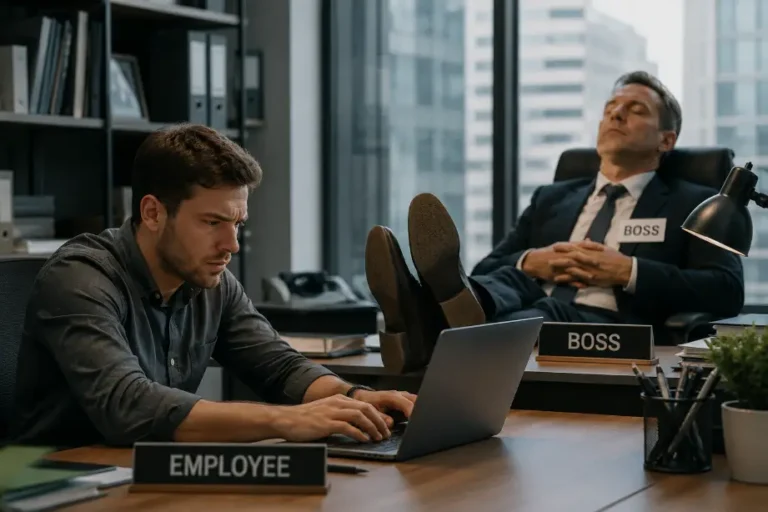
Workplace culture plays a major role in employee satisfaction, productivity, and business success. A supportive manager can motivate teams, build trust, and create a positive environment. On the other hand, a toxic boss can damage morale, increase stress, and drive talented employees away. Many workers have experienced situations where poor leadership affects their daily work, yet they often feel powerless to change it.
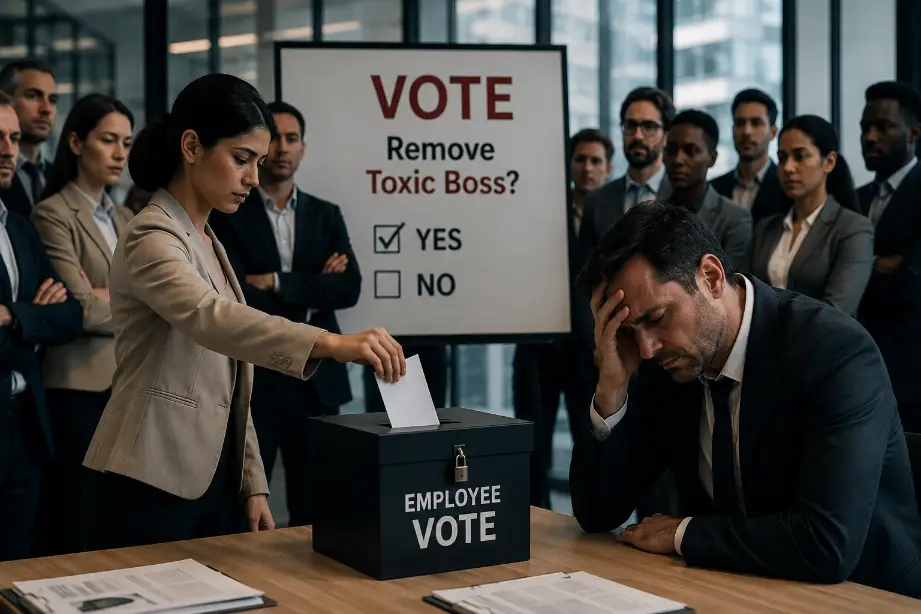
This raises an interesting question: what if employees could vote to remove a toxic boss? Such a system could give workers a stronger voice and hold managers accountable for their behavior. While the idea may seem unusual, it sparks an important discussion about leadership, fairness, and workplace responsibility. Understanding the potential benefits and challenges can help organizations create healthier and more productive work environments.
What If Employees Could Vote to Remove a Toxic Boss?
If employees could vote to remove a toxic boss, companies would need a fair and structured process. A simple popularity contest would create problems, so organizations would need clear rules, evidence requirements, and review procedures.
How the Voting System Could Work
A company could create a process with several steps:
- Employees submit concerns through official channels.
- Human resources reviews the complaints.
- An investigation checks facts and gathers evidence.
- Employees vote if the concerns prove valid.
- Senior leadership reviews the results before making a final decision.
This approach prevents emotional reactions from influencing important decisions.
Benefits of Employee Voting
Allowing employees to participate in leadership accountability could create several advantages.
Better Workplace Culture
Employees often feel more engaged when they know their opinions matter. A voting system could encourage respectful behavior from managers and create a healthier work environment.
Increased Accountability
Some managers abuse authority because they face few consequences. A removal vote could encourage leaders to treat employees fairly and professionally.
Lower Employee Turnover
Workers frequently leave jobs because of poor management. When companies address toxic leadership quickly, they may retain skilled employees for longer periods.
Improved Trust
Employees tend to trust organizations that listen to concerns and take action when problems arise.
Risks and Challenges
Every system has weaknesses. Employee voting could also create new problems if companies fail to manage it properly.
Personal Bias
Some employees may dislike a manager who enforces rules or holds people accountable. A vote based on personal feelings could unfairly target effective leaders.
Workplace Politics
Voting could encourage office groups and alliances. Employees might focus on gaining support rather than improving performance.
Reduced Leadership Confidence
Managers need authority to make difficult decisions. Constant fear of removal could discourage leaders from addressing poor performance.
False Accusations
A small group of employees could spread misleading information to influence voting outcomes.
Solutions for Fair Implementation
Companies can reduce these risks through clear safeguards.
- Require documented evidence before any vote.
- Conduct independent investigations.
- Protect both employees and managers during reviews.
- Set voting thresholds higher than a simple majority.
- Allow managers to respond to accusations.
These measures help maintain fairness and prevent misuse.
Signs of a Toxic Boss
Before discussing removal, employees must understand what qualifies as toxic behavior. A strict manager does not automatically become a toxic one.
Common signs include:
- Public humiliation of employees
- Constant criticism without guidance
- Favoritism among team members
- Threats or intimidation
- Unreasonable workloads
- Lack of respect for personal boundaries
- Refusal to accept responsibility for mistakes
These behaviors can create stress and reduce employee motivation.
The Difference Between Tough and Toxic Leadership
Many successful leaders set high standards. They expect accountability and consistent performance. Toxic leaders cross the line when they use fear, disrespect, or manipulation to achieve results.
A tough leader challenges employees to improve. A toxic leader damages confidence and creates unnecessary conflict.
Alternative Ways to Address Toxic Leadership
Voting may not suit every organization. Companies can still address toxic behavior through other methods.
Anonymous Employee Feedback
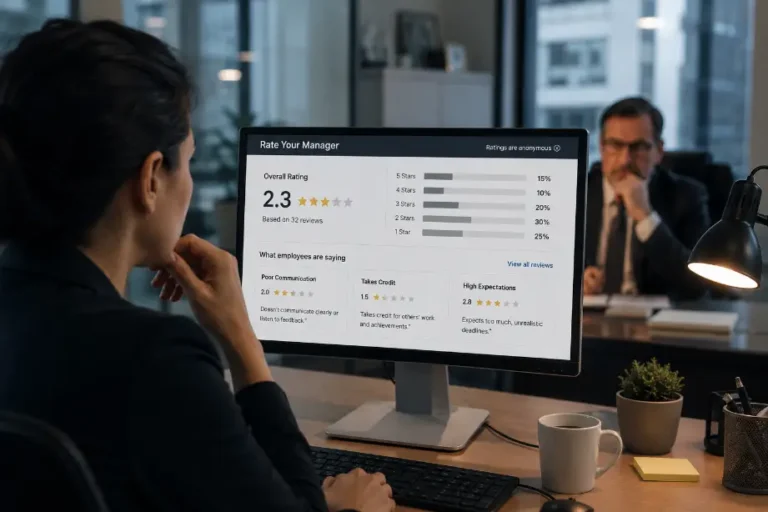
Anonymous surveys allow employees to report concerns without fear of retaliation. Regular feedback helps organizations identify problems early.
360-Degree Reviews
A 360-degree review gathers opinions from supervisors, coworkers, and direct reports. This process provides a balanced view of leadership performance.
Leadership Training
Some managers become toxic because they lack communication or people-management skills. Training programs can help them develop healthier leadership habits.
Strong Human Resources Policies
Clear workplace policies help employees report concerns and seek support when problems arise.
Performance-Based Evaluations
Organizations can evaluate managers using measurable leadership criteria, such as employee retention, team engagement, and workplace satisfaction.
How Employee Empowerment Benefits Organizations
Giving employees a voice does more than address toxic leadership. It can strengthen the entire organization.
Higher Engagement Levels
Employees often work harder when they feel respected and heard. Greater engagement can improve productivity and teamwork.
Better Communication
Open communication encourages employees to share ideas, concerns, and solutions. This creates stronger relationships across all levels of the company.
Stronger Company Reputation
Businesses known for fair treatment often attract skilled candidates and maintain a positive public image.
Greater Innovation
Employees who feel safe speaking up often contribute more creative ideas and valuable feedback.
Could This System Work in the Future?
Many workplaces already use employee feedback to evaluate managers. As workplace culture continues to evolve, companies may adopt stronger accountability measures.
Technology could make employee participation easier through secure surveys and confidential reporting systems. Organizations may also combine employee feedback with leadership performance data to make balanced decisions.
A full voting system may not become common everywhere, but the concept reflects a growing demand for transparency and accountability in management.
Future workplaces may place greater emphasis on employee voices while maintaining fair protections for leaders. Success will depend on creating systems that balance accountability, fairness, and organizational goals.
Conclusion
The idea of employees voting to remove a toxic boss presents both opportunities and challenges. On one side, it could improve accountability, strengthen workplace culture, and give employees a stronger voice. On the other side, companies must guard against personal bias, workplace politics, and unfair accusations. Any organization considering such a system would need clear rules, thorough investigations, and strong safeguards. Whether through voting or other accountability measures, businesses benefit when they address toxic leadership quickly and fairly. Healthy leadership builds trust, improves employee satisfaction, and creates a workplace where people can perform at their best and contribute to long-term success.
F.A.Q
Can employees legally vote to remove a boss?
It depends on company policies and local labor laws.
What makes a boss toxic?
Toxic bosses use harmful behaviors such as intimidation, disrespect, and favoritism.
Would voting improve workplace culture?
It could improve culture if companies use fair and transparent procedures.
Can anonymous feedback help identify toxic managers?
Yes, anonymous feedback often reveals workplace issues that employees hesitate to discuss openly.
Are strict managers always toxic?
No, strict managers can be effective if they treat employees with respect.
What is a 360-degree review?
It is an evaluation process that gathers feedback from multiple workplace perspectives.
Why do employees leave toxic managers?
Many employees leave because toxic leadership creates stress, frustration, and low job satisfaction.